Practice education at Plasma of Hope
Physiotherapy Student Placements
A flexible community-based placement supporting people living with Sickle Cell Disease and Thalassaemia while helping students build holistic, patient-centred practice.
Why this placement matters
Students see the whole person, not only the diagnosis.
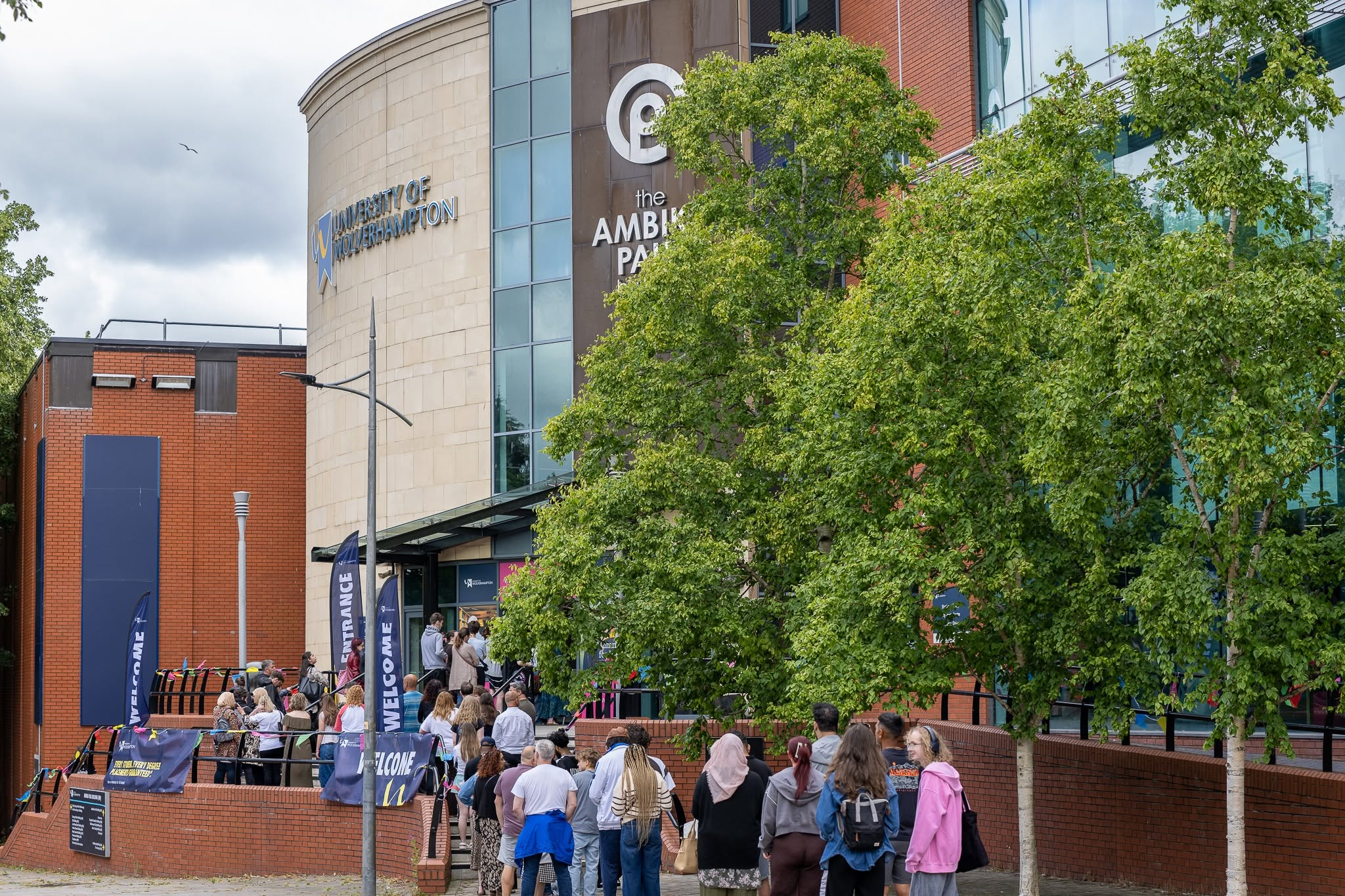
Unlike hospital-based placements, this programme places physiotherapy in the context of daily life, family, access barriers, chronic pain, advocacy, and independence. Students work alongside Plasma of Hope and partners including Walsall Public Health, universities, school nursing, the NHS, and community organisations.
University placement pathway
A flexible placement structure for universities and students.
The programme can support 2, 4, 6 or 8 week placements, depending on course requirements, supervision needs, and the agreed learning outcomes.
Placement coordinators can confirm duration, supervision expectations, documentation and student learning outcomes with Plasma of Hope before placement starts.
- Suitable for BSc and MSc Physiotherapy students
- Structured supervision and reflection
- PARE documentation and university placement requirements
What makes it different
A placement built around community, leadership and care equity.
Holistic care
Students explore complementary approaches alongside conventional physiotherapy and rehabilitation.
Health inequalities
They learn how barriers affect underserved communities and how advocacy changes outcomes.
Community rehabilitation
Practice focuses on independence, quality of life, and care in people's own environments.
Leadership
MSc students can critically appraise services and contribute to service improvement.
Person-centred working
The placement develops multidisciplinary thinking that sees beyond symptoms and labels.
CSP Four Pillars
Clinical, education, leadership and research are embedded throughout the placement structure.
Student experience
What students do
Placements run for 2, 4, 6 or 8 weeks and combine real patient contact, supervised reflection, research, presentations, and practical community resources.
- Patient visitsChronic pain, post-operative rehabilitation, falls risk, respiratory needs and complex support.
- Research and academic workHarvard-referenced reports on SCD complications, fatigue, mental health, women's health and community care.
- PresentationsTopics such as mental health, independence, quality of life and Sickle Cell Disease.
- Outreach resourcesFlyers, patient guides, surveys, school resources and public education materials.
- Structured assessmentWeekly supervision, learning agreements, midpoint/final reviews, reflection and PARE documentation.
Who it is for
For students who want a broader view of physiotherapy.
BSc and MSc Physiotherapy students
Community rehabilitation
Women's health
Holistic care
Health inequalities
Leadership
Get in touch
Interested in a placement?
If you are a student or university placement coordinator, Plasma of Hope would love to hear from you.
info@plasmaofhope.org
01922 663655
@Plasmaofhope on Instagram, X and Facebook